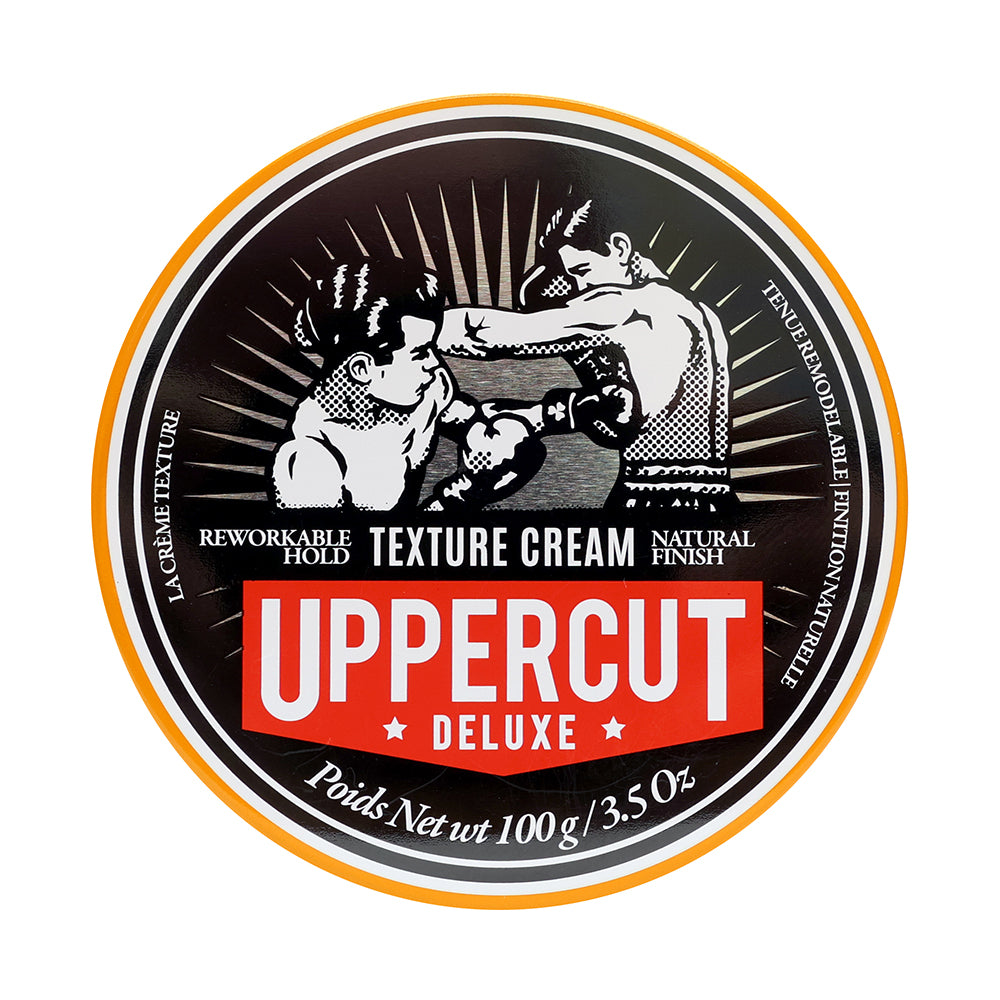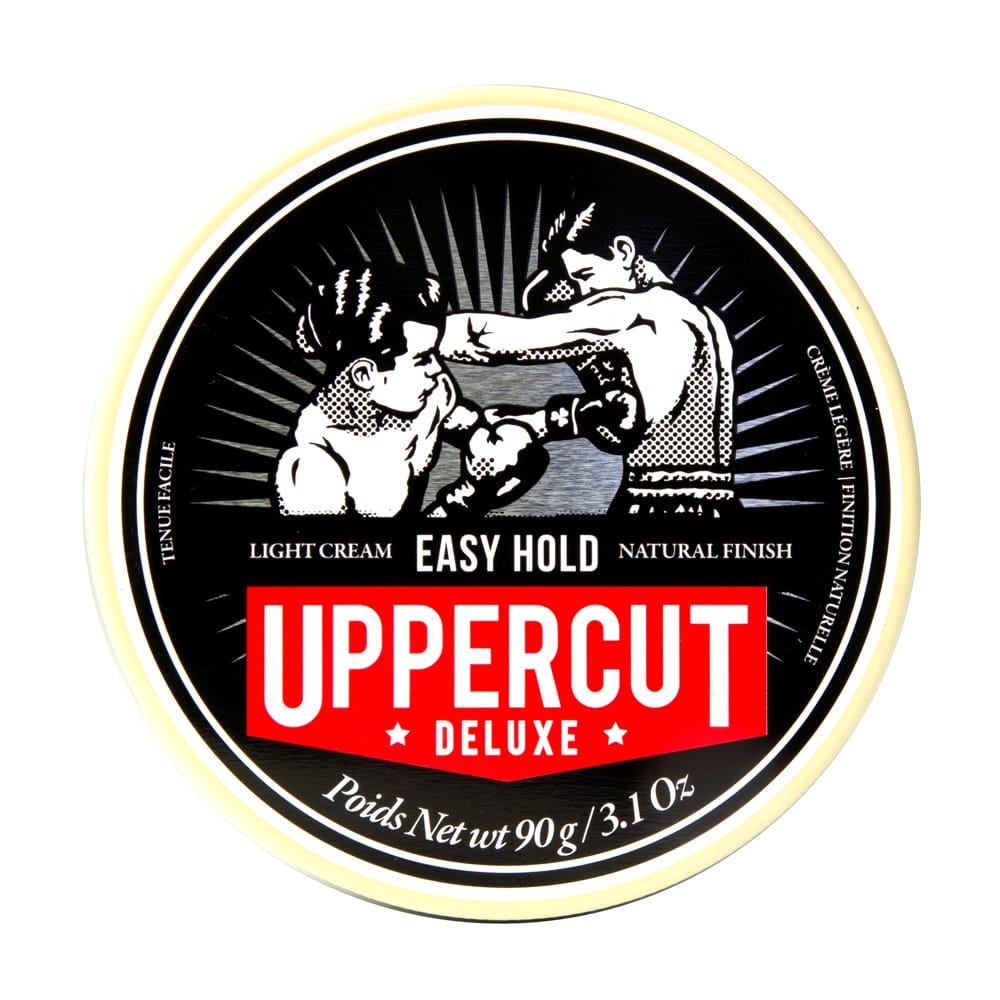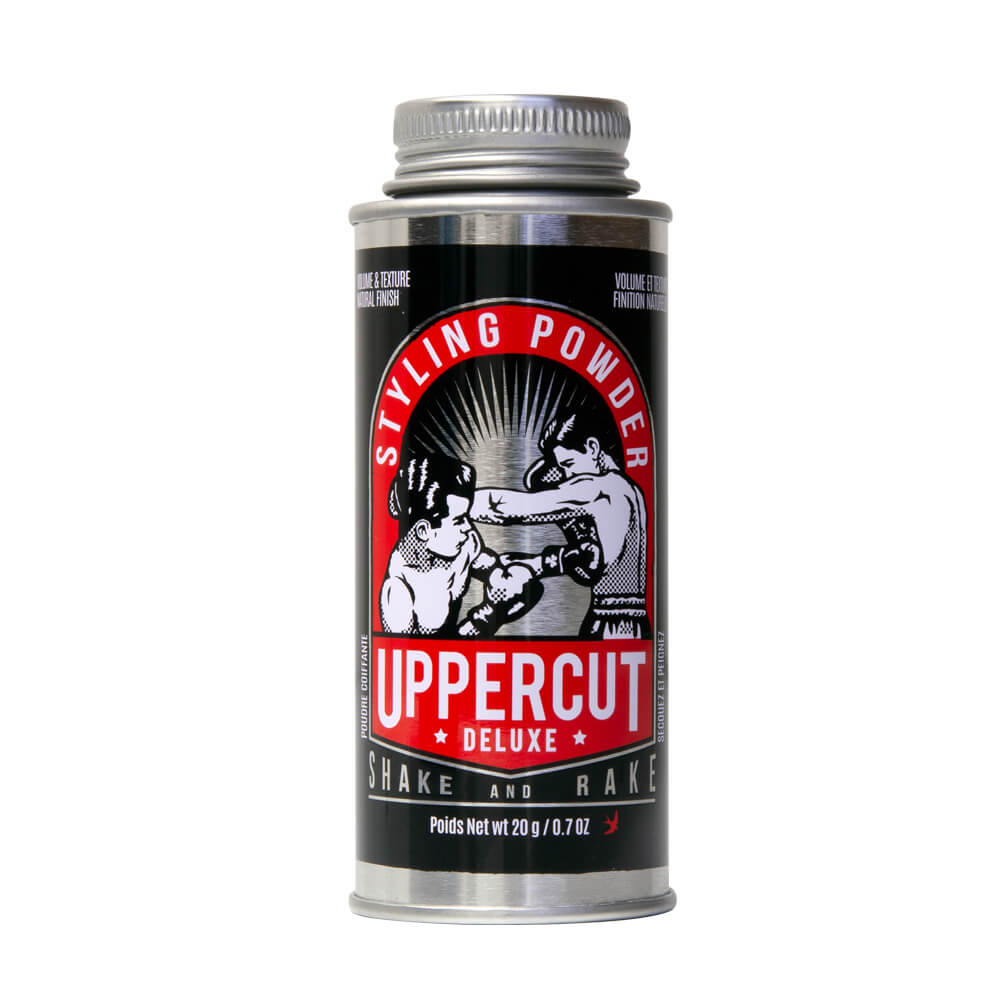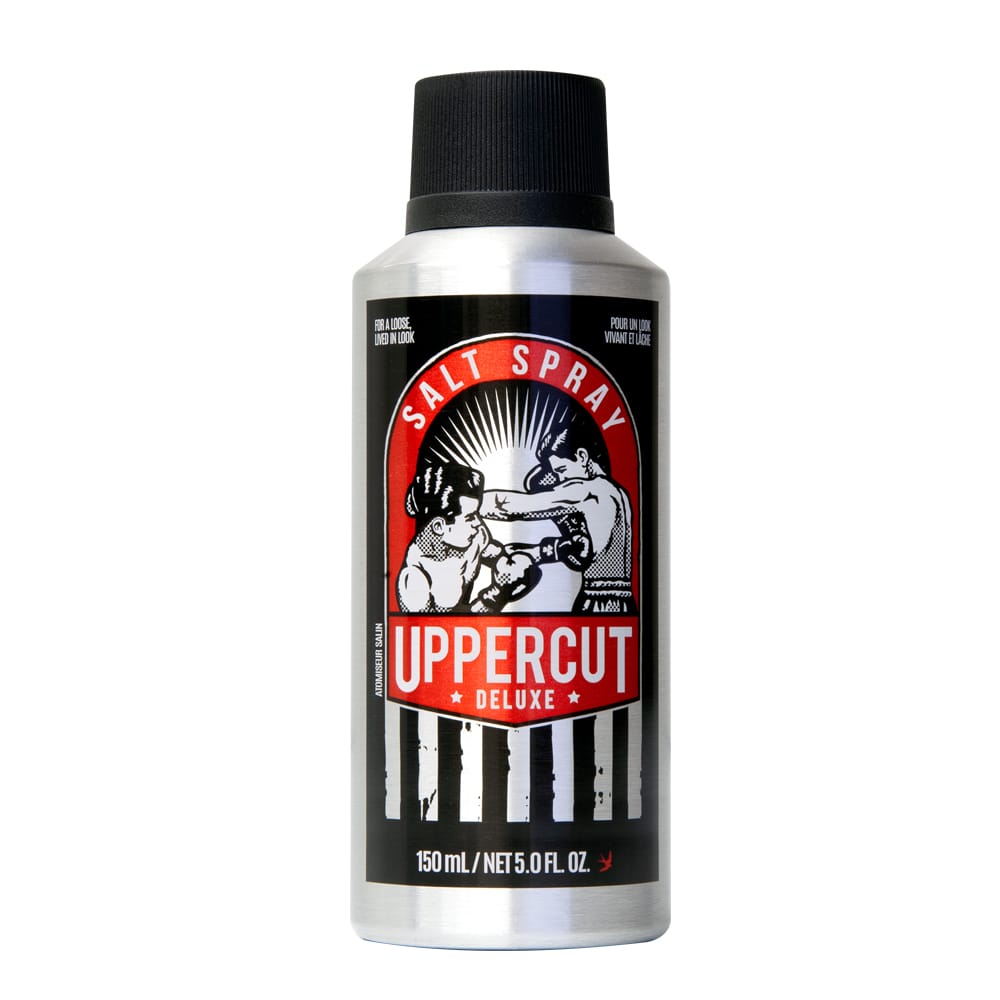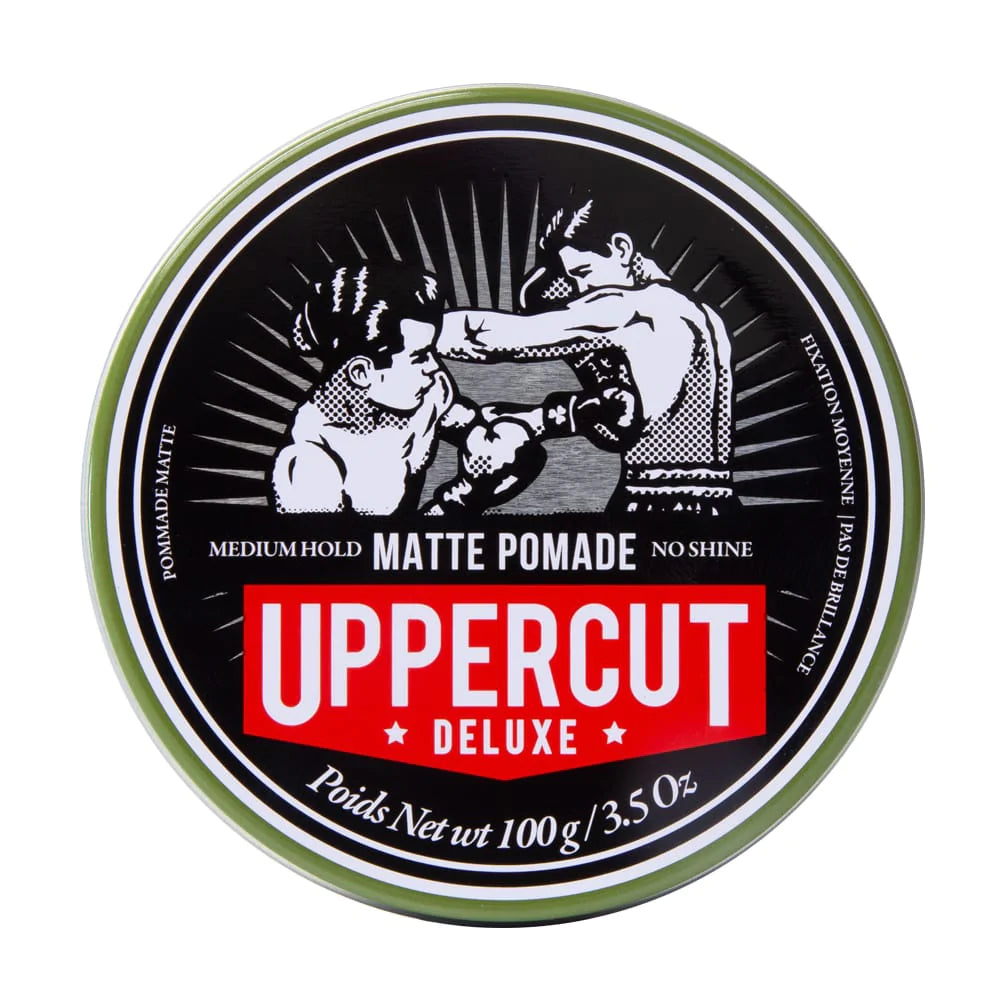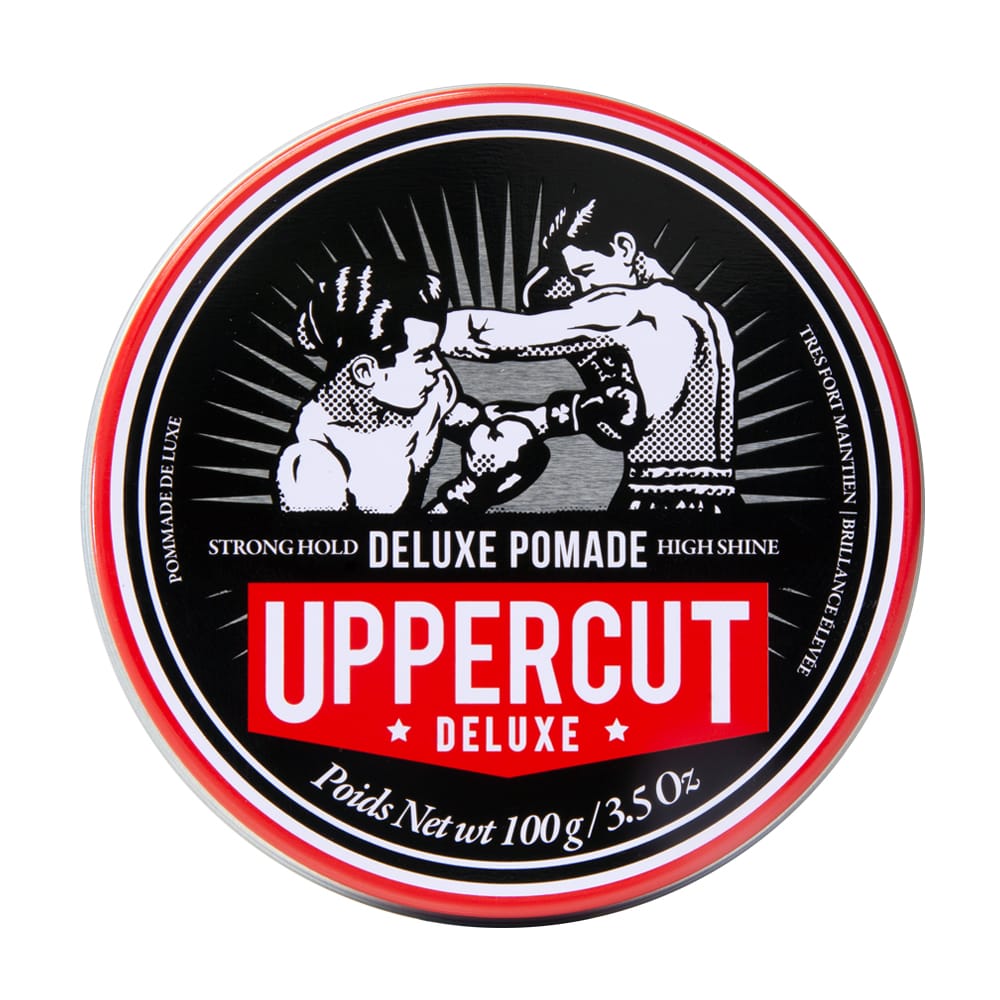


Texture Cream, Easy Hold, Matte Pomade, Clay and Featherweight can all create great hairstyles. The difference is that they're built to achieve completely different results.
If you're chasing natural texture, flexible control and hair that still moves throughout the day, Texture Cream was built for you. Here's where it sits in the range, what it does better than other products, and when another product might be the better tool for the job.
What Makes Texture Cream Different?
Texture Cream wasn't created to deliver the strongest hold in the range. It wasn't built for polished shine or rigid structure either.
Instead, it's designed to create texture, separation and definition while allowing the hair to stay flexible throughout the day.
It provides:
- Pliable, buildable hold
- Natural finish
- Reworkable control
- Texture and separation
- Flexible movement
The easiest way to think about it is this:
Texture Cream enhances the hair you already have.
Rather than forcing hair into place, it brings out natural texture, flow and movement while adding just enough control to keep things looking intentional.
Texture Cream vs Easy Hold
These two products often appeal to the same customer, but they solve slightly different problems.
Where Texture Cream Wins
Texture Cream is the better option when you want visible texture, stronger definition and more separation through the hair. It excels in medium and longer styles where movement and shape are equally important.
Where Easy Hold Wins
Easy Hold is all about simplicity. It delivers lightweight control, a natural matte finish and minimal product feel, making it ideal for hair that already behaves itself.
The Difference
Easy Hold focuses on preserving natural movement.
Texture Cream actively builds texture and definition while maintaining natural movement.
Think of Easy Hold as natural control.
Think of Texture Cream as natural control with added texture.
Texture Cream vs Control Cream
This is one of the most important comparisons in the range because both products prioritise a natural finish.
Where Texture Cream Wins
Texture Cream is built for styling. If you're creating loose throwbacks, textured crops or messy, lived-in finishes, it gives more separation and definition.
Where Control Cream Wins
Control Cream is built for manageability. It's designed to reduce frizz, add lightweight moisture and complement natural curls or waves without feeling heavy.
The Difference
Control Cream helps hair behave.
Texture Cream helps hair perform.
Control Cream enhances curl patterns and smooths flyaways.
Texture Cream creates texture, movement and piecey definition.
For curly hair:
- Control Cream enhances the curl itself.
- Texture Cream enhances the texture around the curl.
Both can work well in curls, but they're trying to achieve different outcomes.
Texture Cream vs Matte Pomade
This comparison comes down to whether you want movement or structure.
Where Texture Cream Wins
If you like hairstyles that feel relaxed, natural and easy to rework throughout the day, Texture Cream is usually the better choice.
Where Matte Pomade Wins
When the style needs shape, control and structure, Matte Pomade steps in. Side parts, slick backs and more intentional styles generally benefit from the extra hold.
The Difference
Matte Pomade is built to create shape.
Texture Cream is built to create texture.
Matte Pomade suits structured hairstyles.
Texture Cream suits styles with movement, flow and a more effortless finish.
Texture Cream vs Clay
Both products create texture, but they create it in very different ways.
Where Texture Cream Wins
Texture Cream shines in medium and longer hair where flexibility matters. It delivers separation without making the hair feel overly dry or locked into position.
Where Clay Wins
Clay is the answer when stubborn hair needs controlling. It delivers stronger hold, more grip and a drier matte finish.
The Difference
Clay creates texture through grip.
Texture Cream creates texture through movement.
Clay is often the better choice when the hairstyle needs structure.
Texture Cream comes into its own when the hairstyle needs flow.
Texture Cream vs Featherweight
Both products suit textured hairstyles, but they're designed for completely different styling approaches.
Where Texture Cream Wins
Texture Cream is ideal when movement is the priority. It works particularly well in longer hairstyles and styles that need to look relaxed and effortless.
Where Featherweight Wins
Featherweight is built for control, volume and lift. Quiffs, pompadours and styles that rely on height generally benefit from its firmer hold.
The Difference
Featherweight supports volume.
Texture Cream supports movement.
Both create texture, but Featherweight puts hold first while Texture Cream puts flexibility first.
Texture Cream vs Styling Powder
Texture Cream and Styling Powder can both create texture, but their strengths sit at opposite ends of the styling spectrum.
Where Texture Cream Wins
Texture Cream delivers touchable texture with natural movement and control. It's particularly effective in medium and longer hairstyles.
Where Styling Powder Wins
Styling Powder thrives in shorter hair where root lift, grip and instant volume are the priorities.
The Difference
Styling Powder creates texture through grip and lift.
Texture Cream creates texture through movement and separation.
Many barbers use both products, depending on the haircut and the result they're chasing.
The Best Product Pairings With Texture Cream
One of Texture Cream's biggest strengths is how easily it works alongside pre-stylers.
Texture Cream + Foam Tonic
Ideal for:
- Mid-length hairstyles
- Natural flow
- Curly hair
- Wavy hair
Foam Tonic builds the foundation by providing shape, volume and heat protection.
Texture Cream then adds texture, definition and flexible control.
This combination is hard to beat when natural movement is the goal.
Texture Cream + Salt Spray
Ideal for:
- Loose texture
- Beach-inspired styles
- Modern throwbacks
- Lived-in finishes
Salt Spray provides volume and grip.
Texture Cream builds on that foundation by creating separation and definition.
Together, they produce texture that looks natural rather than overworked.
Texture Cream + Clay Spray
Ideal for:
- Medium-length hair
- Fuller-looking styles
- Volume-driven hairstyles
Clay Spray creates thickness, grit and support.
Texture Cream adds movement and enhances the final texture.
The result is volume without stiffness.
Best Hairstyles For Texture Cream
Texture Cream consistently performs best when movement is part of the finished look.
Deep Textured Bed Head
Heavy texture, relaxed shape and flexible control that gets better as the day goes on.
Loose Textured Throwback
A modern take on a classic style where flow and movement are just as important as shape.
Mid-Length Messy Texture
Perfect for longer hair that needs definition without sacrificing natural movement.
Textured Crops
Adds separation, detail and piecey texture while keeping the finish natural.
Wavy and Curly Styles
Enhances natural pattern and definition without creating stiffness or crunch.
When Texture Cream Is The Wrong Product
Texture Cream is excellent at what it's designed to do.
It's equally important to understand what it isn't designed to do.
It's probably not the right choice if you're trying to create:
- Tight slick backs
- Traditional side parts
- High-shine finishes
- Structured pompadours
- Firm all-day control
For those hairstyles, products such as Deluxe Pomade, Matte Pomade, Clay or Featherweight will generally produce stronger results.
The Bottom Line
Texture Cream isn't trying to compete with Clay for hold, Matte Pomade for structure or Deluxe Pomade for shine.
It's designed for something completely different.
When you want natural texture, touchable movement and a style that can be reshaped throughout the day, Texture Cream sits in a category of its own.
The trick isn't deciding whether Texture Cream is better than the rest of the range. It's understanding what hairstyle you're trying to create and choosing the product that was built for that job.
If your goal is effortless texture with flexible control, you've found it.